Indian Handicrafts: 3,000 Years of Living Artisanal Traditions

Discover authentically made Madhubani paintings, Dhokra sculptures, Channapatna toys, and more. GI-tagged masterpieces sourced directly from master artisans and traditional craft communities.

Explore Products Learn About Crafts

India's Unbroken Heritage of Handmade Artistry

India's handicraft tradition spans over 3,000 years of continuous artistic practice, representing one of the world's oldest living craft heritage systems. From the intricate geometric patterns of Madhubani painting to the technically sophisticated lost-wax casting of Dhokra art, these traditions are not museum artifacts—they are living, evolving practices maintained by thousands of artisan families who have refined these techniques across generations.

What distinguishes authentic Indian handicrafts is their Geographical Indication (GI) certification. A GI tag is a mark of authenticity issued by the Indian government to products that originate from a specific geographical region and possess qualities, reputation, or characteristics inherent to that location. Over 300 Indian handicrafts carry GI protection, including Madhubani painting (Bihar), Dhokra art (Chhattisgarh and West Bengal), Channapatna toys (Karnataka), and Bidri work (Karnataka). This certification protects artisans from counterfeiting, ensures price premiums for authentic work, and guarantees that what you're purchasing genuinely comes from the traditional craftspeople of that region.

The Six Major Craft Traditions We Feature

  • Madhubani Painting (Bihar) — UNESCO-recognized traditional art form featuring complex geometric patterns, mythological narratives, and nature motifs. Created predominantly by women artists using natural pigments and hand-made brushes. A single 24×36-inch painting can require 80+ hours of meticulous work. Searches: 165,000+ monthly indicating global demand for authentic pieces.
  • Dhokra Art (Chhattisgarh & West Bengal) — The world's oldest non-ferrous casting technique, dating to 2500 BCE. Artisans hand-sculpt designs in beeswax, create elaborate clay molds, and cast molten brass at precise temperatures. Each piece is unique and unreproducible; no two Dhokra sculptures are identical. Requires 4,000+ years of accumulated technical knowledge.
  • Channapatna Toys (Karnataka) — Hand-turned wooden toys lacquered with natural dyes and food-grade finishes. GI-tagged for authenticity and UNESCO-recognized for child safety standards. Made from sustainable wood species like rubber wood and ash, with zero synthetic materials. Every toy develops unique patina over years of use.
  • Kondapalli Toys (Andhra Pradesh) — Softwood hand-carved figurines from the Kondapalli village, painted in traditional colors depicting classical dancers, mythological characters, and domestic scenes. Created from balsa-like softwood, each piece shows individual artistic variation reflecting the craftsperson's style.
  • Bidri Work (Karnataka) — Among the most technically demanding metal crafts, featuring silver and brass inlay on specially prepared zinc-tin alloy. The process involves precise metal working, intricate design inlay, oxidation chemistry, and multi-stage polishing. A single 6-inch box requires 15-25 days of skilled work, explaining premium pricing.
  • Blue Pottery (Jaipur) — Contrary to its name, no clay is used. Artisans mix quartz stone powder with glass and mineral binders to create the "clay," hand-throw it on wheels, and hand-paint with cobalt blue glazes. The unique chemistry means Blue Pottery exists nowhere else in the world, despite Persian origins of the technique.

How to Identify Authentic Handicrafts

  • GI Certification: Authentic pieces include GI tag documentation. Verify through the Indian government's GI registry before purchasing.
  • Artisan Signatures: Many traditional crafts include maker's marks or signatures. Document numbers prove traceability to specific artisan families.
  • Material Tests: Genuine Madhubani uses natural pigments (identifiable through pigment analysis). Dhokra brass has specific gravity and alloy composition. Blue Pottery breaks in characteristic ways when struck.
  • Regional Markers: Each craft tradition has geographical identifiers. Channapatna toys have specific wood grain patterns. Kondapalli pieces show particular paint formulations unique to Vijayawada artisans.
  • Irregularity as Authentication: Hand-made crafts show variation. Identical pieces or machine-like perfection indicates factory production, not authentic artisan work.

Why Direct Sourcing from Artisans Matters

The handicraft supply chain typically involves 5-7 middlemen between artisan and consumer, each taking margins. A Madhubani painting might cost an artisan ₹1,200 in materials and 80 hours of labor (earning perhaps ₹300-400), yet sell to tourists for ₹8,000-12,000. Direct platforms like Karvan eliminate middlemen, enabling artisans to receive 70-80% of retail price instead of 10-15%. This economics transformation directly preserves craft traditions—when artisans earn fair wages, they can train apprentices, maintaining techniques across generations.

The Economics of Artisanal Work

The average Indian handicraft artisan earns ₹8,000-15,000 monthly through middlemen networks. Platform-based direct sales increase this to ₹25,000-45,000 monthly for the same artisans, with flexibility to take custom orders at premium rates. Platforms like Karvan are restructuring the supply chain by connecting artisans directly to wholesale buyers, retailers, and conscious consumers who value authenticity and fair compensation.
Curated Handicraft Collection

Madhubani Painting Tree of Life
Madhubani Painting
Tree of Life — 24×36 inch
Bihar Folk Art, Mithila Region
₹2,800 ₹1,800
MOQ: 10 units
Dhokra Art Horse Sculpture
Dhokra Art
Horse — Lost Wax Cast, 12 inch
Tribal Crafts, Bastar Region
₹1,650 ₹1,050
MOQ: 8 units
Channapatna Toy Set
Channapatna Toys
6-Piece Set — Natural Dye
GI Certified, Karnataka
₹890 ₹580
MOQ: 15 units
Blue Pottery Vase
Blue Pottery
Hand-Painted Vase, 10 inch
Jaipur Blue Art, Rajasthan
₹1,200 ₹780
MOQ: 10 units
Bidri Work Box
Bidri Work
Silver Inlay Box, 6 inch
Bidar Artisans, Karnataka
₹2,400 ₹1,550
MOQ: 5 units
Kondapalli Bullock Cart
Kondapalli Toys
Painted Bullock Cart
AP Crafts, Vijayawada
₹750 ₹480
MOQ: 12 units
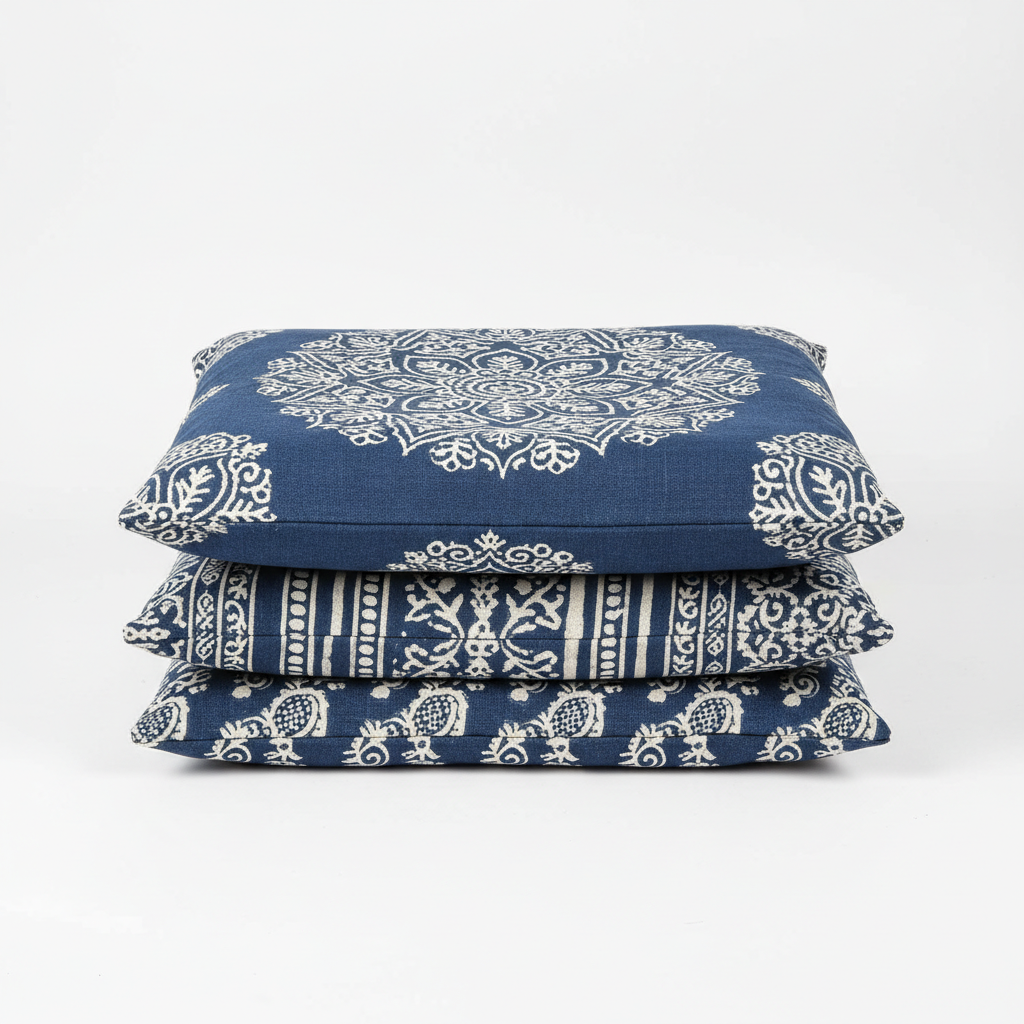
Jaipur Block Print Cushion
Block Print
Cushion Covers, Set of 4
Sanganer Print, Jaipur
₹365 ₹240
MOQ: 20 units
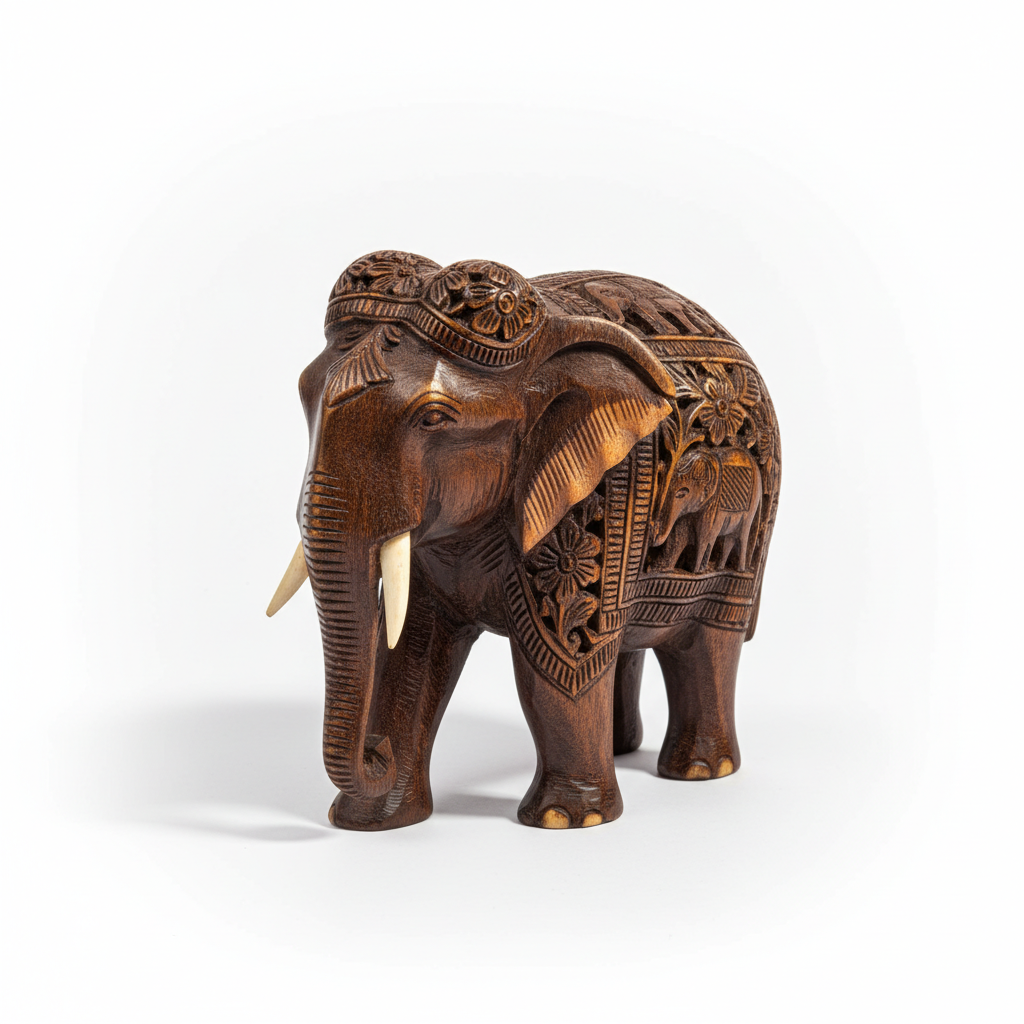
Sheesham Wood Elephant
Wood Carving
Hand-Carved Elephant, 8 inch
Saharanpur Wood Art, UP
₹780 ₹510
MOQ: 12 units

Why Karvan for Handicrafts

GI-Tagged & Certified

All featured crafts carry Geographical Indication certification guaranteeing authenticity, regional origin, and artisan verification through government registries.

👥

Direct from Artisan Clusters

We source directly from established craft communities—Mithila artists in Bihar, Dhokra makers in Bastar, Channapatna artisans in Karnataka—eliminating middlemen markup.

💰

Fair Trade Pricing

Artisans receive 70-80% of retail price versus 10-15% through traditional channels. Transparent pricing supports craft preservation and artisan livelihoods across generations.

📦

Art-Grade Packaging

Each piece ships in museum-quality packaging with climate-controlled materials, handling documentation, and authentication certificates. Bulk orders receive custom crating.

Expert Guidance on Indian Handicrafts

Madhubani (also called Mithila art) is a 2,500-year-old painting tradition from the Mithila region of Bihar, created predominantly by women artists. The art form originated as a ceremonial practice painted directly on walls during weddings and religious festivals; over centuries, artists adapted the tradition to paper and canvas for wider distribution.

What makes it unique: Madhubani paintings feature elaborate geometric patterns combined with mythological narratives. Every element has symbolic meaning—fish represent fertility, peacocks symbolize beauty, intricate borders provide mathematical precision. The patterns are drawn freehand using natural pigments (historically derived from plant materials, minerals, and charcoal) and handmade brushes.

Authenticity markers: Genuine Madhubani uses natural pigments that age differently than synthetic dyes. The paper often shows slight irregularities from hand-preparation. Authentic pieces include the artist's signature, initials, or maker's mark. UNESCO recognized Madhubani painting as Intangible Cultural Heritage of Humanity in 2008, acknowledging its living cultural significance.

Market demand: Madhubani paintings command 165,000+ monthly searches globally, reflecting international collector interest. Prices range from ₹2,800 for smaller 24×36-inch pieces to ₹15,000+ for complex multi-figure compositions or larger formats. Investment-grade pieces by recognized master artists appreciate over time.

The lost-wax casting process:

  • Master artisans hand-sculpt original designs using beeswax or similar moldable wax
  • The wax sculpture is covered layer-by-layer with clay and sand mixture, creating a precise negative mold
  • The entire mold is carefully heated, allowing wax to melt out through small vents—this "lost wax" gives the technique its name
  • Artisans mix brass or bronze metal and heat it to precise temperatures (1080-1100°C) for optimal casting
  • Molten metal is poured into the empty mold and cooled for 12-24 hours
  • The clay mold is carefully broken away to reveal the brass sculpture inside
  • Artisans finish the piece through hand-chasing, polishing, and patination

Why it's technically demanding: Temperature control, metal alloy precision, mold structural integrity, and timing must be perfect or the casting fails—often requiring complete restart with new wax and clay. Each piece is individually cast, making no two sculptures identical. Artisans require 10+ years of apprenticeship to master the process. A single 12-inch horse sculpture represents 15-20 hours of skilled work.

Channapatna toys meet strict child safety standards and carry multiple certifications:

  • GI Certification (Geographical Indication): Protects the traditional craft and authenticates origin
  • ISO 8124 compliance: Meets international toy safety standards
  • Natural materials only: Hand-turned from sustainable wood species (rubber wood, ash) without synthetic materials
  • Non-toxic finishes: Lacquered with natural dyes and food-grade oils; no lead, BPA, or phthalates
  • Smooth design: No sharp edges or choking hazards; tested for durability under child use
  • UNESCO recognition: Acknowledged for child developmental benefits

Channapatna toys are among the safest wooden toys available globally. They develop unique patina over years of use, becoming increasingly beautiful as children play. Many parents report multi-generational use—toys passed from child to child within families.

What GI certification means: A Geographical Indication (GI) tag is a legal certification issued by the Indian government acknowledging that a product originates from a specific region and possesses qualities unique to that region's traditional methods. Over 300 Indian handicrafts carry GI protection.

Why it matters for you:

  • Authenticity guarantee: GI tags prevent counterfeit products. You know the craft genuinely comes from traditional artisans in that region, not factory imitations.
  • Quality standard: GI certification requires meeting specific material and technique standards. Madhubani must use natural pigments; Channapatna must use specific wood species; Bidri work must use precise alloy compositions.
  • Artisan protection: GI certification enables artisans to charge premium prices and defend against exploitation. A GI-tagged Madhubani painting commands 3-5× higher prices than non-certified imitations.
  • Craft preservation: GI status creates economic incentive for artisans to maintain traditions, train apprentices, and pass techniques to next generations.
  • Resale value: GI-certified pieces appreciate over time as demand for authentic handmade art increases globally.

How to verify: Request GI certification documentation. Check the official GI registry at ipindia.gov.in. Legitimate sellers provide authentication certificates with every purchase.

Bulk ordering process: Karvan specializes in wholesale for retailers, home decor shops, interior designers, gift shops, and export businesses. Every product listing shows retail and wholesale pricing plus MOQ (Minimum Order Quantity).

Wholesale advantages:

  • 50-60% wholesale discounts off retail pricing (example: Madhubani painting retails ₹2,800, wholesale ₹1,800)
  • Flexible MOQ options accommodating small boutiques (MOQ: 5) to large retailers (MOQ: 20+)
  • Custom production: work with artisan clusters to create private-label pieces or custom designs
  • Export support: documentation, certification, and shipping logistics for international orders
  • Payment terms: 30-60 day NET terms available for established businesses

How to proceed: Contact via WhatsApp for custom quotations. Provide details on product type, desired quantity, delivery timeline, and any custom specifications. We can connect you directly with artisan clusters for bespoke orders or manage fulfillment through our inventory.

Export considerations: Indian handicrafts qualify for MSME support and export incentives. We handle certification, packaging standards, and shipping documentation. Duty drawback schemes may apply for exports under $50,000.

Madhubani Paintings:

  • Display away from direct sunlight to preserve natural pigment colors (UV exposure fades especially yellows and reds over years)
  • Keep in climate-controlled environments; humidity fluctuations cause paper expansion/contraction and cracking
  • Frame under museum glass with acid-free backing; avoid plastic glazing which traps moisture
  • Clean only with soft dry brush or professional art restoration services
  • Expected longevity: 50+ years with proper care; some museum pieces are 100+ years old

Dhokra Art & Metal Work:

  • Dust regularly with soft cloth; brass naturally develops patina which many collectors prefer
  • For polished finish, use brass cleaner carefully; avoid abrasive materials
  • Keep away from humidity-prone areas (kitchens, bathrooms) to prevent corrosion
  • Display on stable surfaces; cast brass is durable but brittle—avoid dropping

Channapatna & Wooden Toys:

  • Oil periodically with food-grade mineral oil to maintain finish and prevent wood cracking
  • Avoid extreme temperature changes and humidity; wood naturally expands and contracts
  • Children's toys appreciate with age as lacquer develops patina from handling
  • Wipe clean with damp cloth; occasional gentle soap and water washing is safe

Blue Pottery & Ceramic:

  • Display on stable shelves away from high-traffic areas (pottery is fragile)
  • Avoid stacking; each piece should be independently positioned
  • Blue Pottery glazing is food-safe but pieces are intended for display, not daily use
  • Clean carefully with soft brush; avoid harsh chemicals

Connect with Master Artisans Today

Explore authentic Indian handicrafts. Wholesale buyers, retailers, and collectors welcome. Direct partnerships with artisan clusters.

💬 Chat on WhatsApp Become a Seller