The Rich Heritage of Jaipur's Artisan Communities
Jaipur's journey as a handicraft hub begins in the 18th century when Maharaja Sawai Jai Singh II founded the city in 1727. The royal patronage extended to artisans and craftspeople established the foundation for what would become a global center of creative excellence. The city's grid-based architecture, designed by Vidyadhar Bhattacharya, reflected the cosmopolitan vision of its founder—a vision that extended to welcoming artisans from across India and beyond.
The artisan communities that flourished in Jaipur developed their craft traditions across generations, transforming raw materials into objects of extraordinary beauty and functionality. These craftspeople didn't merely produce goods; they created cultural artifacts that reflected the soul of Rajasthan—its colors, its philosophy, and its aesthetic sophistication.
Blue Pottery: Jaipur's Most Iconic Craft
Blue pottery stands as the most recognizable and celebrated handicraft tradition of Jaipur. What makes blue pottery uniquely Jaipur is not just its technical excellence, but its historical significance. The craft has its roots in the Mughal era, when Persian blue glaze techniques were introduced to India. However, Jaipur artisans transformed these techniques into something distinctively their own.
The distinctive blue hue that defines this pottery comes from cobalt oxide, a precious pigment that artisans apply with meticulous precision. Each piece begins as raw clay, hand-molded by craftspeople whose fingers have learned the craft from their parents and grandparents. The molding process requires intimate knowledge of clay behavior—understanding how it responds to temperature, humidity, and the artisan's touch.
The artisans who create blue pottery are concentrated in neighborhoods like Khijnulon ka Rasta, where workshops have been producing this craft for over two centuries. Today's master potters are the custodians of this heritage, running small family workshops where every step of production—from clay preparation to final glazing—is executed by hand.
What distinguishes Jaipur blue pottery in the global market is the perfect balance between traditional aesthetic principles and contemporary design sensibilities. Modern artisans create pieces that honor classical patterns while appealing to contemporary interior design trends. Decorative bowls, serving dishes, home décor items, and functional tableware all bear the unmistakable signature of blue pottery craftsmanship.
Block Printing: The Sanganer Tradition
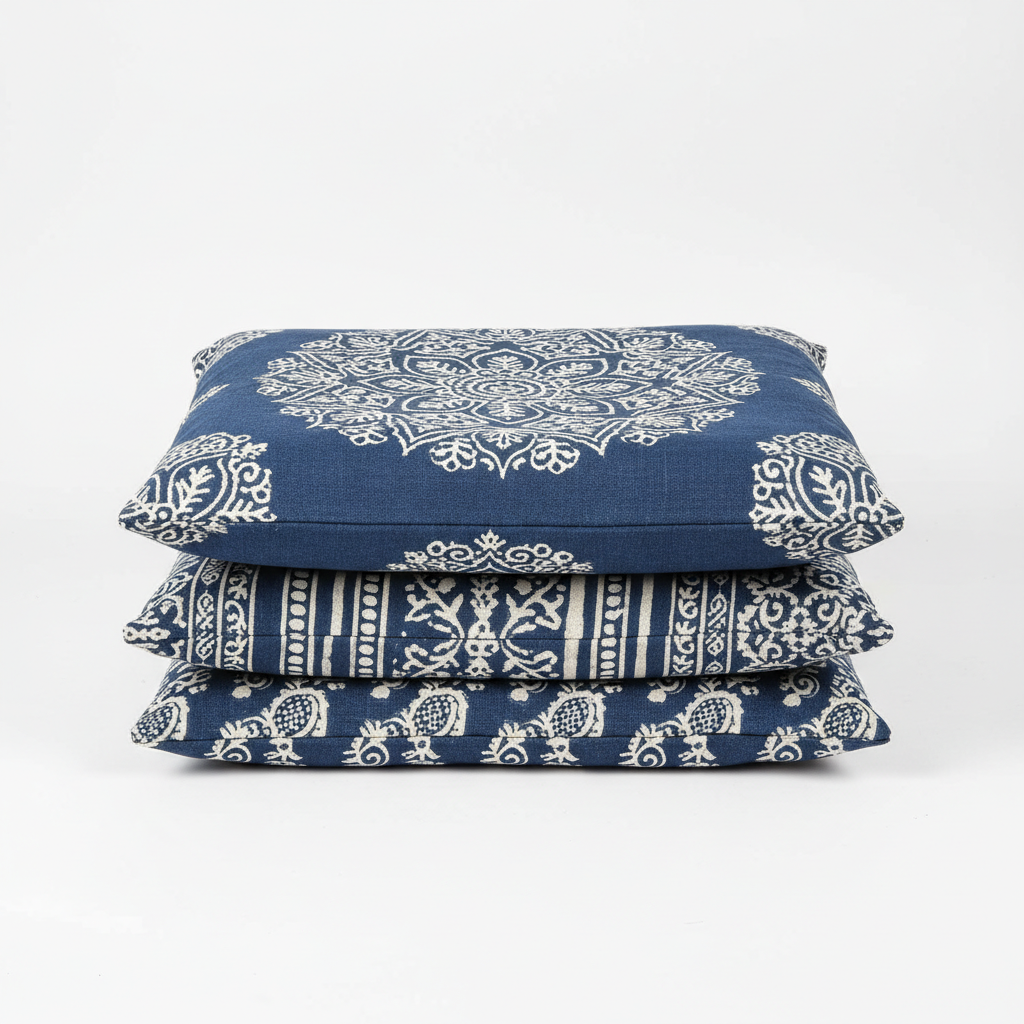
If blue pottery is Jaipur's most iconic craft, block printing represents its most versatile and vibrant artistic expression. The Sanganer neighborhood, located 30 kilometers south of Jaipur, is the epicenter of India's block printing industry. This 500-year-old craft tradition has evolved to create fabrics that are recognized and revered worldwide.
Sanganer block printing is a highly specialized craft where artisans use hand-carved wooden blocks to print patterns onto fabrics. The process begins with master block carvers who spend years learning to carve intricate designs into blocks of seasoned hardwood. Each carving must be precise—slight variations can significantly impact the final printed design.
The printing process itself is an art form. Artisans prepare natural dyes and pigments, stretching cloth across work tables before carefully applying carved blocks with practiced, rhythmic movements. The pressure, angle, and timing of each block placement directly affect the clarity and beauty of the final print. A skilled printer can create hundreds of repetitions while maintaining perfect consistency and alignment—a feat that requires years of dedicated practice.
Sanganer block-printed textiles have gained international recognition for their distinctive patterns that blend Mughal influences with indigenous Indian motifs. Floral designs, geometric patterns, and intricate repetitive arrangements create fabrics that work equally well as home décor items, garments, and decorative accessories.
The sustainable practices of Sanganer block printers are also noteworthy. Many artisans use natural dyes derived from plants, minerals, and organic sources—creating beautiful colors while minimizing environmental impact. This commitment to sustainable craftsmanship has made Sanganer-printed fabrics increasingly sought after by consciously minded consumers and businesses worldwide.
Marble Inlay Work: The Pietra Dura Tradition
Jaipur's marble inlay tradition draws inspiration from the pietra dura technique perfected in the Mughal era, most famously at the Taj Mahal. While pietra dura reached its zenith in Agra, Jaipur artisans developed their own distinctive interpretation of this exquisite craft, creating decorative items that capture the technical brilliance and aesthetic refinement of this ancient tradition.
Marble inlay involves cutting colored stones into intricate shapes and fitting them together like a three-dimensional puzzle, often onto a marble base. The stones used include semi-precious varieties—carnelian, lapis lazuli, turquoise, malachite, and others—as well as decorative stones that provide contrasting colors and patterns.
The process demands extraordinary precision. Artisans use traditional tools to cut each stone piece to exact specifications, ensuring that pieces fit together perfectly without gaps. The final product is then polished to create a smooth, luminous surface that showcases the natural beauty of the inlaid stones.
Today's Jaipur marble inlay artisans create table tops, decorative plaques, vases, and architectural elements that command high prices in luxury markets. Each piece is a labor of love, requiring weeks or months of dedicated work by skilled craftspeople.
Lacquerware and Wooden Handicrafts
Beyond pottery and textiles, Jaipur's artisan communities create beautiful wooden handicrafts that showcase the region's rich woodworking traditions. Lacquerware—wooden items decorated with vibrant, glossy lacquer finishes—represents a sophisticated marriage of woodcraft and decorative artistry.
Artisans who work with wood in Jaipur typically specialize in creating decorative boxes, furniture, wall hangings, and functional items that are embellished with intricate carvings and lacquer treatments. The process involves selecting appropriate wood, shaping it through carving and turning, and then applying multiple coats of lacquer to achieve a durable, beautiful finish.
The lacquer itself is often applied in brilliant colors—reds, golds, greens, and blues—creating items that are both functional and visually stunning. Many of these wooden pieces are inspired by traditional Rajasthani design motifs, incorporating patterns and techniques that have been passed down through generations.
Terracotta and Clay Arts
Terracotta, meaning "baked earth," represents another significant craft tradition in Jaipur. This ancient technique involves hand-molding clay and firing it in kilns to create durable, beautiful items. Terracotta artisans in Jaipur create decorative planters, oil lamps, architectural elements, and ornamental pieces that celebrate the simplicity and elegance of earth-based materials.
What distinguishes Jaipur's terracotta work is the combination of traditional earthiness with sophisticated design. Artisans incorporate texture, surface treatments, and natural colorations to create pieces that are both rustic and refined.
The Artisan Communities Today
The artisans who create Jaipur handicrafts today are the bearers of centuries-old traditions, yet they are also modern entrepreneurs adapting their crafts to contemporary markets. Many work in small family-based workshops, often located in specific neighborhoods known for particular crafts. These communities are interconnected by shared traditions, similar challenges, and mutual respect for their collective heritage.
However, these artisan communities face challenges. The transition from handcraft to industrial production has impacted traditional markets. Many younger members of artisan families have been drawn away from craft traditions toward more lucrative modern professions. Raw material costs have increased, and access to markets has been limited by traditional supply chains that often provide limited compensation to makers while substantial margins accrue to middlemen.
This is where Karvan's mission becomes crucial. By creating direct connections between artisans and wholesale buyers, we ensure that craftspeople receive fair compensation for their work while businesses and retailers access authentic, high-quality products at wholesale prices. We're not just facilitating transactions; we're helping sustain centuries-old craft traditions while supporting the livelihoods of thousands of artisans and their families.
Why Choose Jaipur Handicrafts for Your Wholesale Needs
Buying Jaipur handicrafts through Karvan offers multiple advantages:
Authenticity: Every product comes directly from established artisan communities with verified craft heritage. You're purchasing genuine handmade items, not factory-produced imitations.
Quality: Jaipur's reputation in the global handicraft market is built on consistent, exceptional quality. Generations of skill and refinement have created standards of excellence that continue today.
Wholesale Pricing: By eliminating middlemen, Karvan enables you to access products at authentic wholesale prices while artisans receive fair compensation.
Customization Options: Many Jaipur artisans offer customization services. Whether you need specific colors, patterns, sizes, or designs, our network of craftspeople can create bespoke items for bulk orders.
Cultural Significance: Jaipur handicrafts carry the weight of history and the spirit of Rajasthan. Products that resonate with customers on a cultural and aesthetic level command loyalty and justify premium pricing.
Sustainability: Many Jaipur artisans practice environmentally conscious craftsmanship, using natural materials and traditional techniques that minimize environmental impact.
Scalability: Established artisan communities and workshops in Jaipur can handle orders ranging from dozens of pieces to thousands, making them ideal partners for growing businesses.