Pooja Items & Puja Samagri

Handcrafted brass, copper, and silver puja essentials from Moradabad's master artisans. Authentic quality for daily puja, festivals, and temple rituals.

Understanding Puja Setup & Materials

What You Need for a Complete Puja Setup

A proper puja begins with the right foundation. Beyond what you inherit from your family altar, a complete puja thali should include:

  • Thali (base plate): Holds all items; traditionally 10-12 inches diameter
  • Diya (oil lamp): The light offering, usually 1-wick for daily puja, 5-wick for special occasions
  • Ghanti (bell): Rings during aarti to announce the divine; deep, resonant tone matters
  • Kalash (water vessel): Represents the goddess Lakshmi and purification
  • Aarti diya: Larger lamp for evening aarti, usually 5-7 wicks
  • Incense holder: Holds agarbatti; prevents ash from falling on items
  • Sindoor dani (vermillion box): Keeps vermillion protected and organized
  • Kumkum box: Smaller container for holy powder
  • Camphor holder: Brass cup specifically designed for camphor tablets

Many households start with just a thali, diya, and bell, then add items as needed. There's no rush—puja evolves with your practice.

Regional Traditions

Puja items vary significantly by region, reflecting centuries of local practice:

  • North Indian: Thali with aarti lamp, tilak application, sindoor ritual. Emphasis on ornate brass work.
  • South Indian: Vilakku (traditional oil lamp), emphasis on sandalwood paste and flowers. Simpler, more minimalist aesthetic.
  • Bengali: Dhunuchi (incense swinger) during Durga Puja, shankha (conch shell). Elaborate dhunuchi rituals are an art form.
  • Marathi: Panchapatra (ritual water vessel), tamhan (turmeric stick holder). Strong emphasis on purity and precise rituals.
  • Gujarati: Garba and dandiya items for Navratri, simple home altars. Festival-focused traditions.

If you're unsure of your tradition, start with universal items: a brass thali, diya, and bell work everywhere.

Material Guide: Choosing the Right Metal

Brass — Traditional & Affordable

Pros: Affordable (₹200-800), develops a beautiful patina over time, excellent durability, traditional choice for centuries.

Cons: Requires regular maintenance (tamarind + lemon paste to clean), loses shine without polishing.

Best for: Daily use, casual puja, anyone building their collection. The most forgiving material.

Copper — Ayurvedic Benefits

Pros: Antimicrobial properties recognized in Ayurveda, warm aesthetic, conducts energy well (traditional belief), develops rich patina.

Cons: More expensive than brass (₹300-900), can develop green patina (verdigris) if exposed to moisture, requires seasonal polishing.

Best for: Water vessels (kalash), ritual items you want to last generations, Ayurveda-conscious practitioners.

German Silver — Looks Precious

Pros: Resembles real silver, affordable (₹250-600), minimal tarnishing, easier to maintain than brass.

Cons: Contains no real silver (nickel-based), not traditional, some consider it less "authentic" for ritual purposes.

Best for: Budget-conscious buyers, decorative items, traveling altars.

Silver — Special Occasions

Pros: Premium aesthetic, extreme durability, considered pure for important rituals, valuable as heirloom.

Cons: Expensive (₹1,500-5,000+), tarnishes easily, requires professional polishing occasionally.

Best for: Major festivals (Diwali), temple donations, wedding gifts, pieces passed through generations.

Cleaning & Maintenance Tips

  • Brass: Make a paste of tamarind pulp + lemon juice, rub gently with soft cloth, rinse with water. Do this monthly for daily-use items.
  • Copper: Use the same tamarind+lemon method. For green patina, use white vinegar + salt paste, but only if you want to remove it (some prefer the aged look).
  • Silver: Baking soda + water paste works well. Avoid commercial metal cleaners (too harsh for ritual items).
  • Never use: Commercial brass/metal cleaners with chemical solvents (damage patina, disrespectful for puja items).
  • Storage: Keep in a dry place, away from direct moisture. Use cloth covers to prevent dust.

Handcrafted vs. Mass-Produced: Why It Matters

Moradabad is home to generations of brass and copper artisans who hammer every item by hand. Here's the real difference:

  • Handcrafted: Each piece is unique, better weight distribution, superior sound quality in bells and diyas, develops character over time, supports artisans directly.
  • Mass-produced: Cheaper, consistent, but thinner metal, hollow rings in bells, less durable, supports large factories.

We source exclusively from Moradabad's master craftsmen because we believe puja items deserve better. A handcrafted diya lit with intention carries more presence than a factory-stamped one.

Seasonal Buying Guide

  • Diwali (Oct-Nov): Stock up on diyas, rangoli stencils, toran (door decorations), oil lamps. This is puja season—buy in bulk for better wholesale rates.
  • Navratri (Sep-Oct): Garba sticks, kalash sets for first-day rituals, goddess murti, decorative thalis.
  • Ganesh Chaturthi (Aug-Sep): Ganesh murti, special modak serving plates, ritual vessels.
  • Year-round: Maintain stock of basic items—diyas, thalis, bells, incense holders. Daily puja doesn't stop.

Our Pooja Items Collection

Brass Puja Thali Set

Brass Puja Thali Set — 9 Pieces

Moradabad Crafts, UP

Retail
₹749
Wholesale
₹485
MOQ: 15 units

Complete thali with diya, ghanti, spoon, and accessories. Perfect for daily puja.

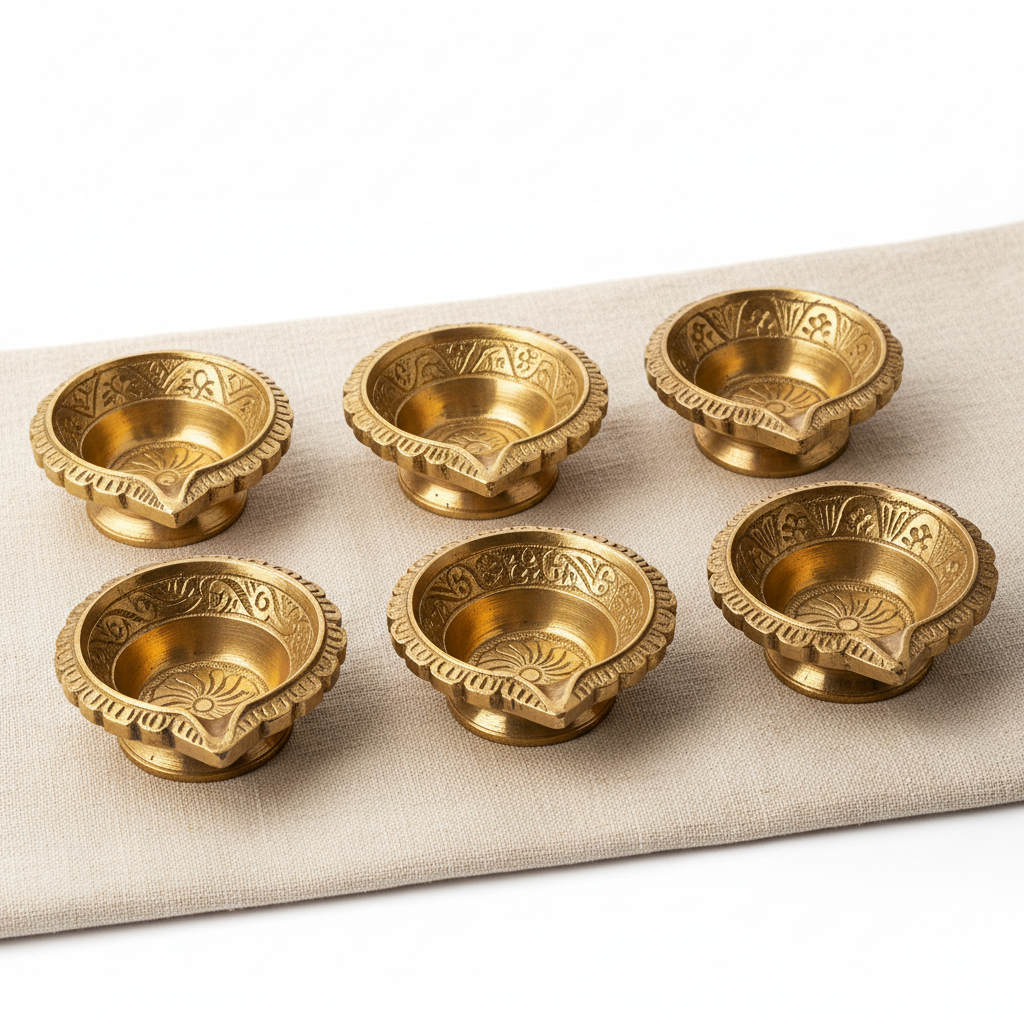
Brass Diya Set

Brass Diya Set — Hand-Carved, Pack of 6

Heritage Brass, Moradabad

Retail
₹485
Wholesale
₹310
MOQ: 20 units

Hand-carved diyas with traditional patterns. Ideal for Diwali or temple distribution.

Copper Panchapatra

Copper Panchapatra & Spoon Set

Moradabad Copper, UP

Retail
₹380
Wholesale
₹245
MOQ: 25 units

Ritual water vessel with matching spoon. Traditional South Indian & Bengali practice.

Brass Aarti Diya

Brass Aarti Diya — Large, 5-Wick

Shri Metals, Moradabad

Retail
₹420
Wholesale
₹275
MOQ: 20 units

Temple-grade 5-wick lamp for evening aarti. Superior weight and resonance.

Silver Plated Pooja Thali

Silver Plated Pooja Thali — Engraved

Rajasthan Silver, Jaipur

Retail
₹585
Wholesale
₹390
MOQ: 10 units

Hand-engraved silver plated. Perfect for special occasions and temple gifts.

Brass Ghanti Bell

Brass Ghanti (Bell) — Temple Grade

Traditional Brass, Moradabad

Retail
₹320
Wholesale
₹210
MOQ: 30 units

Deep, resonant tone. Hand-hammered for superior acoustic quality.

Copper Kalash

Copper Kalash with Lid — Medium

IndiaCopper, Moradabad

Retail
₹550
Wholesale
₹360
MOQ: 15 units

Pure copper with matched lid. Perfect for daily water rituals.

Complete Daily Puja Kit

Complete Daily Puja Kit — 12 Items

Karvan Curated

Retail
₹1,299
Wholesale
₹850
MOQ: 10 units

Everything needed to start: thali, diyas, bell, kalash, incense holder, more.

Why Choose Karvan Pooja Items

🏺

Handcrafted in Moradabad

Every item hand-hammered by master artisans with 20+ years of experience. No factory shortcuts, no mass production.

Pure Brass & Copper

No cheap alloys or adulteration. Verified metal composition for ritual purity and durability.

🏪

Retail & Wholesale

Buy for yourself or your shop. Competitive wholesale pricing with flexible MOQs starting from 10 units.

📦

Secure Packaging

Items wrapped individually and cushioned to prevent damage. Each piece arrives ready for your altar.

Frequently Asked Questions

What items do I need for a basic daily puja setup?

You can start simple and build over time. A minimal daily puja kit includes:

  • A puja thali (8-10 inches diameter brass or copper)
  • A small diya (oil lamp) — 1 or 2-wick
  • A bell/ghanti — to ring during prayers
  • Incense holder — optional but keeps ash contained

Total investment: ₹400-700 for basic pieces. As you grow your practice, add a kalash, larger aarti diya, and specialty items like sindoor dani and camphor holder. Many temples and homes use the same basic setup for years—there's no pressure to buy everything at once.

Should I buy brass or copper pooja items?

Both are excellent choices, but they serve different purposes:

Choose Brass if: You're starting your collection (more affordable), you want traditional North Indian aesthetic, you prefer minimal maintenance (though it still needs cleaning).

Choose Copper if: You value Ayurvedic benefits (antimicrobial properties), you want items for ritual water vessels or kalash, you prefer warm golden tones, you're building a heirloom collection.

Budget consideration: Brass is 30-40% cheaper. If you're outfitting a shop or temple, brass offers better value. For personal use, copper feels more premium and special.

Real talk: Both materials work beautifully. Visit a local temple and notice their altar—you'll see both materials used together. Choose based on your budget and aesthetic preference.

How do I clean and maintain brass puja items?

Monthly cleaning (recommended for daily-use items):

  • Mix tamarind pulp with lemon juice to make a paste
  • Apply to the brass item and gently rub with a soft cloth (old t-shirt works)
  • Rinse thoroughly with water and dry completely
  • Polish with a clean, dry cloth

Quarterly maintenance: For items you don't use daily, clean every 3 months to prevent tarnishing.

What to avoid: Commercial metal cleaners with harsh chemicals—they damage the metal and are disrespectful for ritual items. Never use steel wool or abrasive pads.

Special note: Many people prefer the aged patina on brass thalis—it gives them character. You don't have to keep everything shiny. Clean when it looks dull, leave it alone if you like the vintage look.

What's the difference between handcrafted and machine-made puja items?

Handcrafted (Moradabad artisans): Each item is individually hammered and shaped. Variations in weight and slight imperfections are normal. Weight distribution is superior. Bells have deeper resonance. Thalis develop unique patina patterns. Better durability. You're supporting skilled craftspeople.

Machine-made (factory): Consistent appearance, cheaper, but thinner metal walls. Bells produce hollow sounds. Items wear faster under regular use. No character or uniqueness. Generally lasts 5-7 years vs 15+ years for handcrafted.

For spiritual practice: Handcrafted items carry the intention and skill of the maker. In Hindu tradition, the craftsmanship is considered part of the devotional offering. A machine-stamped diya feels less present than one shaped by hand.

Honest assessment: If you're outfitting a community event or school, machine-made is practical. For your home altar or long-term use, handcrafted is worth the extra cost.

Can I order custom puja sets for my shop or temple?

Yes, absolutely. We work with shops, temples, and organizations on bulk orders and custom configurations.

What we can customize:

  • Mixed kits with your choice of items and quantities
  • Specific material requests (all brass, all copper, mixed)
  • Bulk quantities with volume discounts (MOQ 10-50 units depending on item)
  • Engraved thalis or bells with your temple/shop name (minimum order 25)

Wholesale pricing: The more you order, the better your rate. Email us with your requirements (items, quantities, budget) and we'll provide a custom quote with timeline and delivery terms.

Lead time: Standard orders ship in 5-7 days. Custom engraved items need 2-3 weeks.

Which pooja items are recommended for Diwali?

Essential for Diwali:

  • Diyas (oil lamps) — stock up heavily; this is when most people buy. Have 50-100 on hand
  • Oil lamps in bulk for home and gifting
  • Complete puja thali sets — for Lakshmi puja
  • 5-wick aarti diyas — for evening aarti and family gathering

Complementary items:

  • Rangoli stencils and colors
  • Toran (door decorations)
  • Kalash sets for household altars
  • Bells and incense holders

Buying strategy for retailers: Diwali buying season is August-October. Place bulk orders in July to get better prices and ensure stock. Handcrafted items might have 2-3 week lead times during peak season. Start early.

For personal use: Even if you only light diyas for a week, buy 10-15 quality diyas. They last and look beautiful displayed year-round.